We are an alliance of local environmental groups working together to restore the Granite to Goulburn landscape following the Longwood bushfires of January 2026. We are moving fast, and we need your help.
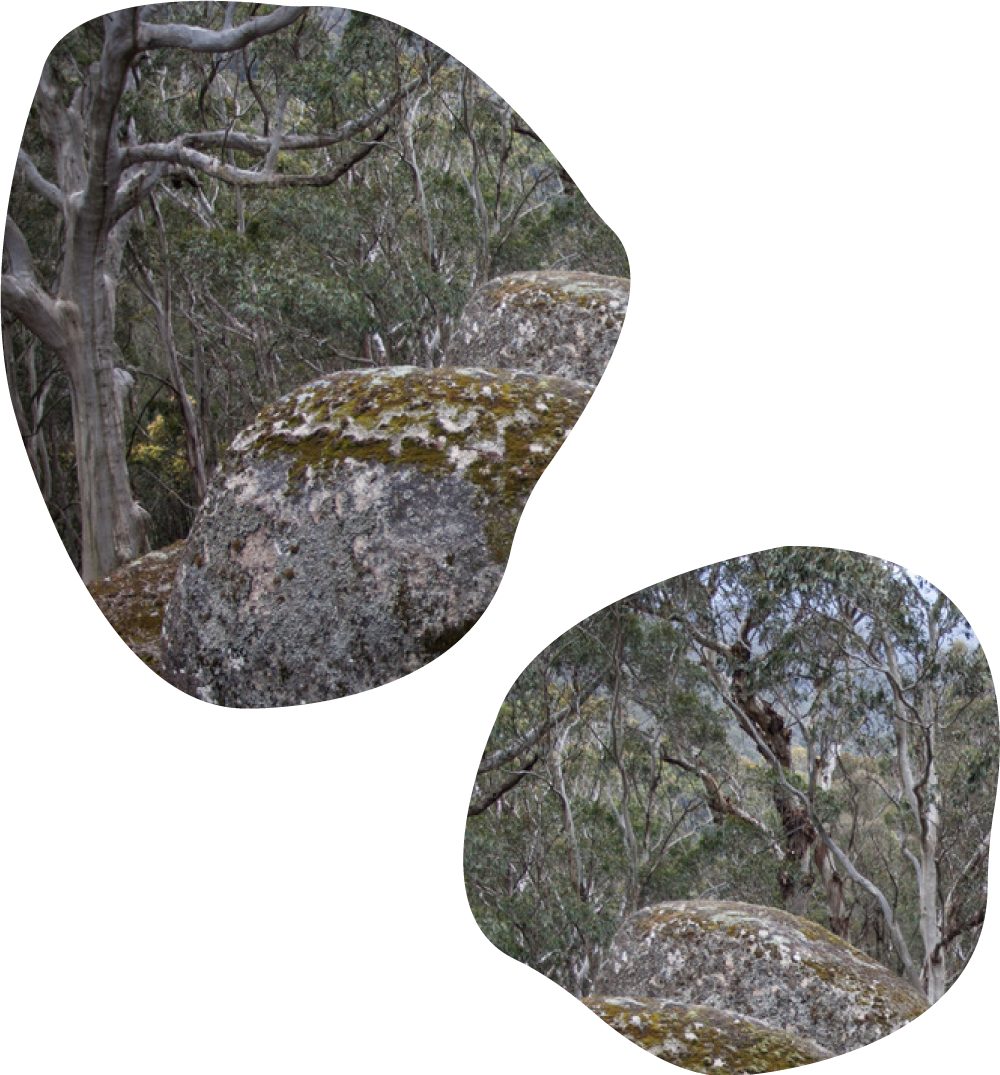
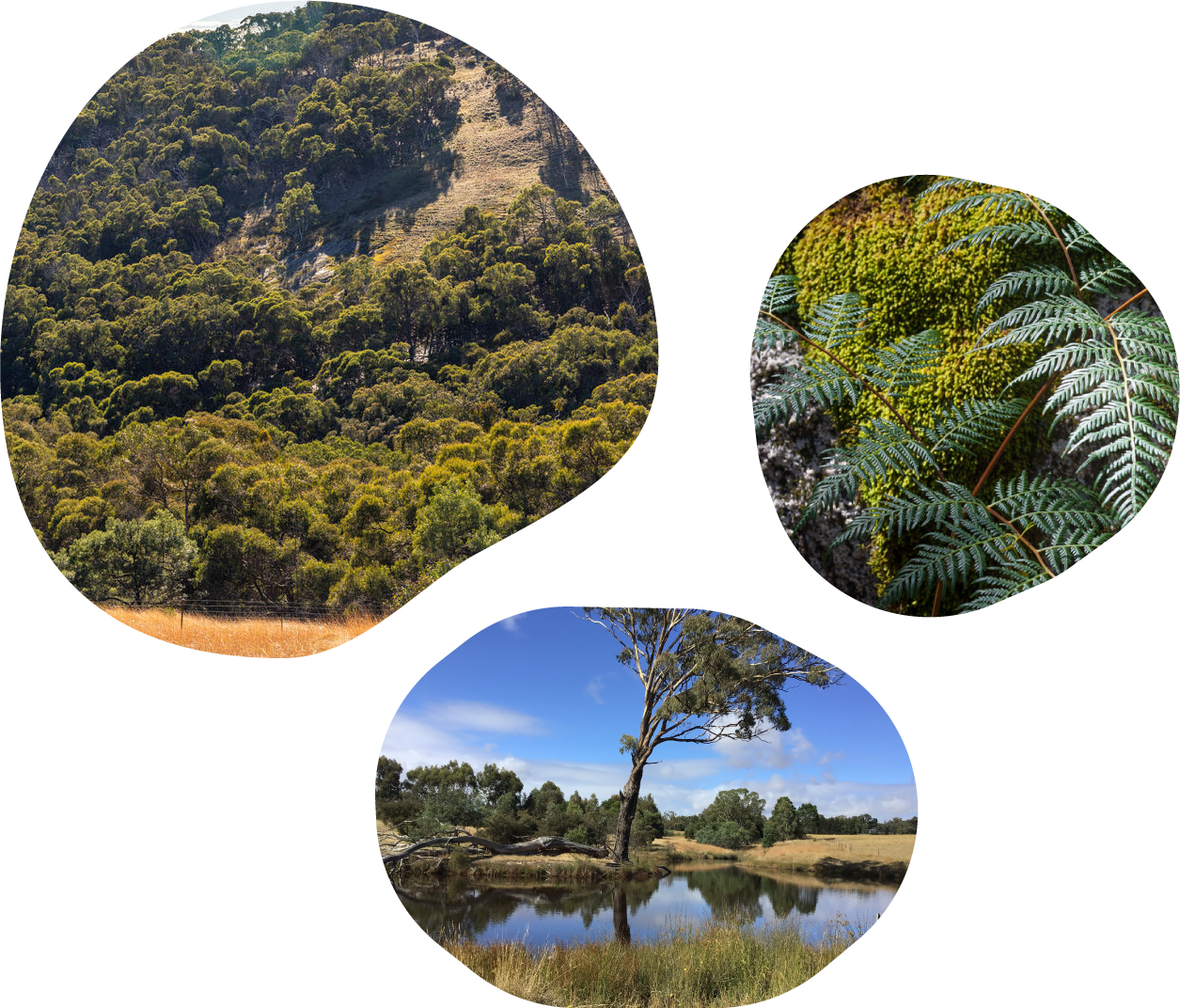
The Granite to Goulburn Landscape Plan was developed in recent years by an alliance of local conservation organisations. The Landscape Plan presents a shared vision for the Granite to Goulburn landscape, that builds upon the Goulburn Broken Regional Catchment Strategy 2021-27, a blueprint for the integrated management of natural resources in the Catchment, aimed at improving its health and resilience.
In light of recent bushfires across the region, the Landscape Plan will be pivoted to face new challenges across our landscape, and bring community along on the journey.
The damage to this region has been immense, but we are ready to face the challenge of restoring biodiversity together.
We are local, experienced, ready, and already have expert networks in place. We have a plan. We need your help to activate this plan, and we need to move fast. Volunteer, donate to a project, or sign up as a landowner to strengthen our alliance.
We will update this website as details emerge of further projects to restore biodiversity across our region.
1 — Urgent Projects
These projects are shovel ready, and are critical in this early stage of recovery.
Glideways: Restoring glider habitat across the region
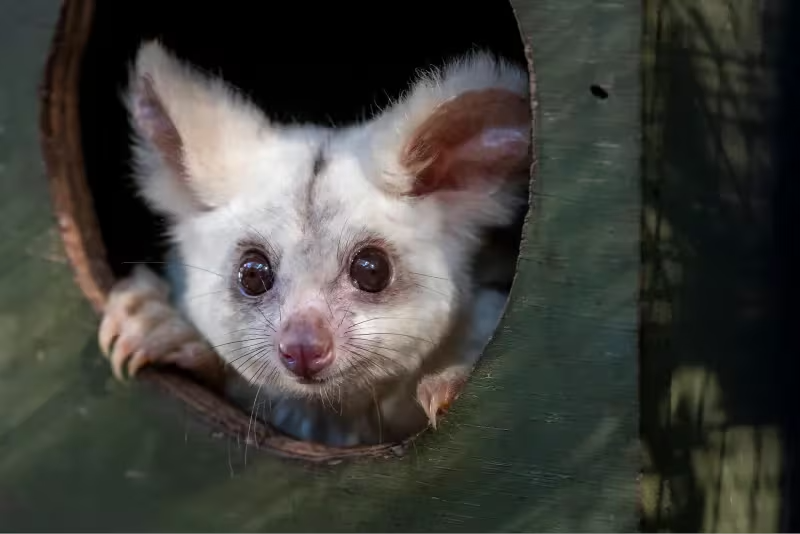
This project aims to extend and connect currently isolated and at risk populations of the endangered Southern Greater Glider on the ranges and Squirrel Glider populations on the Longwood Plains to improve the resilience of the species and increase the available habitat.
Glideways increase connectivity across the landscape for these species, allowing migration to more climate-proof refuges and buffering an already fragmented population from bushfire threats.
Restoring the vegetation along the Glideway corridor will restore habitat to the benefit of not only gliders but for other species as well.
This project will:
survey remaining populations
install nesting boxes for surviving populations
replant food species
plant glideways to link isolated populations
Giants: Saving our ancient trees and protecting fallen timber
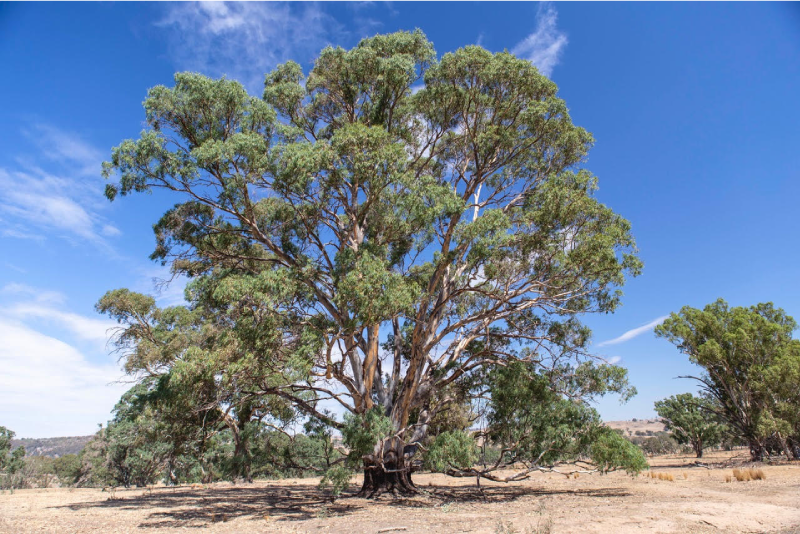
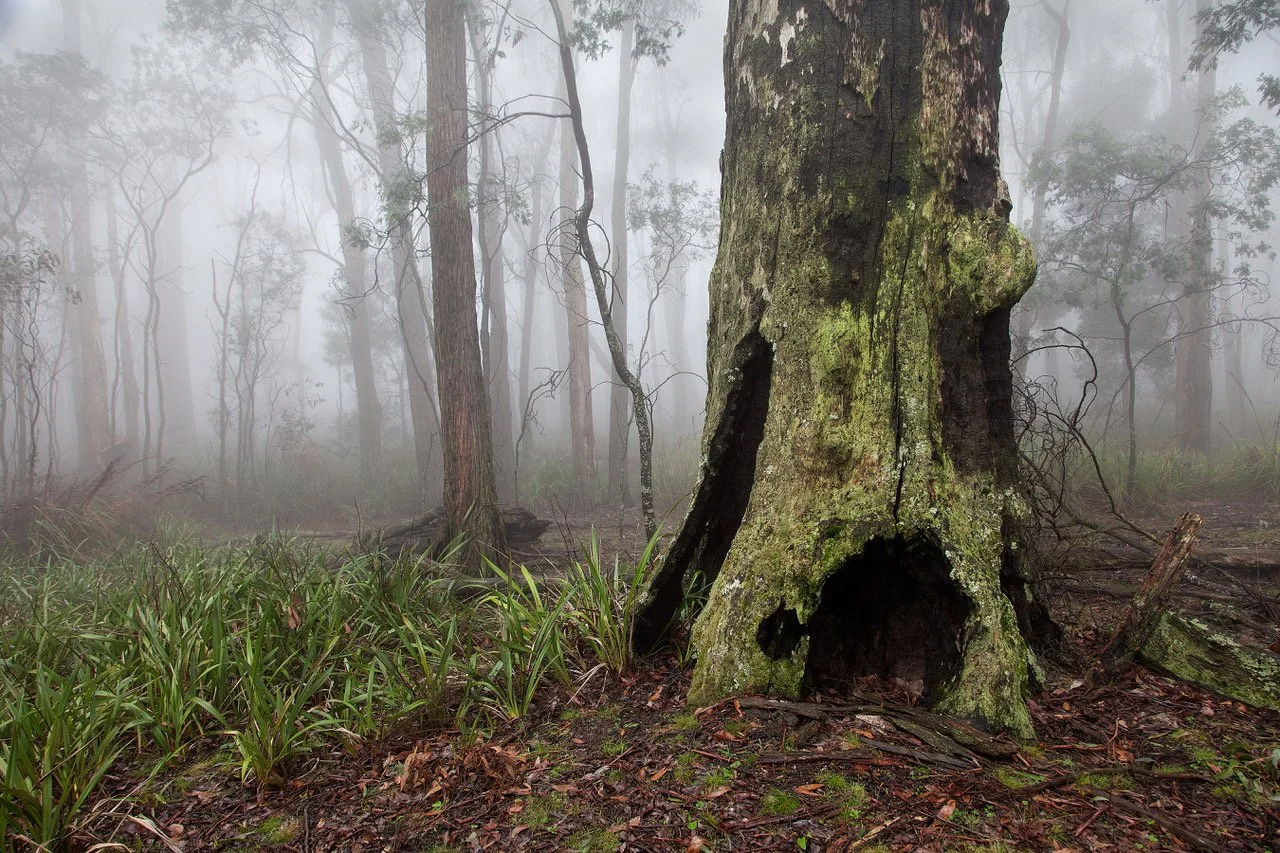
Across the bushfire affected region a number of ancient trees have been impacted, and we must act fast to ensure that they do not get removed and are given their best chance of survival.
These big, old trees provide habitat and resources that take hundreds of years to develop and no amount of young trees and artificial hollows can replace them. Once they are gone, not even our grandchildren will live long enough to see them replaced.
Trees often recover from bushfire if given the chance. While currently blackened, they can sprout new growth within a year. We need to make sure they are given the chance to do so.
This project will:
contract arborists to assess health of significant trees impacted by fire
take action to give remaining trees the best chance of survival
fence from stock and prevent unnecessary damage
Habitat: Helping our diverse species to recover and survive
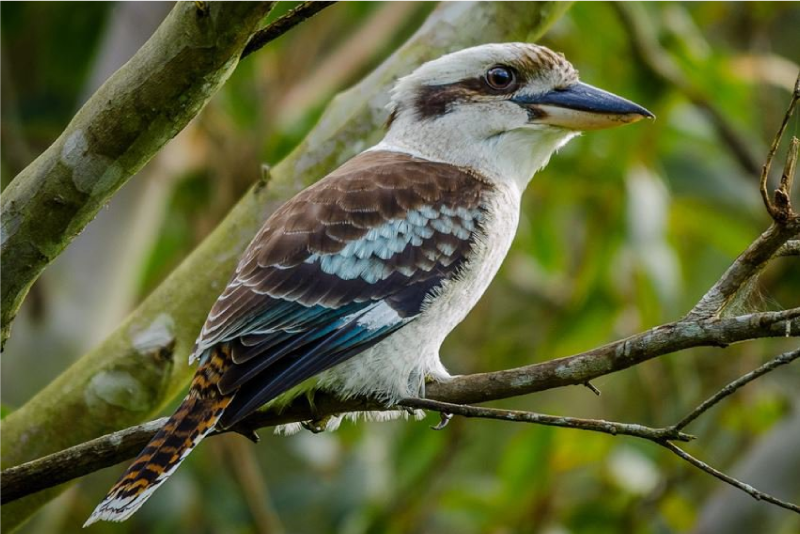
Many species across the bushfire-affected region will have been severely impacted. These include iconic species like koalas, platypus and wombats, lesser known species like legless lizards, macquarie perch, and brush tailed phascogales, and common species like kookaburra and wallabies.
We must act quickly to restore habitat and ensure that these species have the best chance of survival. This involves giving nature the space and time it needs to recover, while actively protecting what is left and replanting habitat and food species.
This project will:
ensure that fire-damaged timber is utilised to create habitat
make use of fire-damaged timber to create habitat for fish and platypus in waterways
control invasive pests and weeds from overtaking landscape after fire
restore diversity into the landscape by tree planting
create wildlife corridors away from roads
Ways to get involved
This alliance relies on landholders, community groups, businesses and organisations coming together to restore the biodiversity of the affected region. There are many ways that you can get involved:
Volunteer as part of the alliance
There is a lot of work ahead, and we will need willing volunteers. This might include making nesting boxes, planting trees, or conducting surveys of surviving populations. We are eager to hear about your skills and how they might be of use. Additionally, a lot of machinery and tools across the region were destroyed in the fire — maybe you have something that you can lend.
We encourage you to add your details here so that we can contact you with volunteering opportunities as they arise.
Sign up as an alliance landowner
If your land was affected by the Longwood 2026 bushfire, you can sign up as an alliance landowner to access support, guidance and opportunities in regard to restoring biodiversity on your land.
This might mean support with installing nesting boxes on your property, facilitation of tree planting days, or whole-farm planning advice. You’ll also join a group of other affected landowners, enabling important knowledge sharing and solidarity.
Donate to the alliance
The Biodiversity Recovery Alliance is made up of environmental groups working together to restore the Granite to Goulburn landscape following the Longwood bushfires of January 2026.
We are experienced, ready, and already have expert networks in place. We have a plan. We need your help to activate this plan, and we need to move fast.
Donations are tax deductible and support us to continue this critical work.
The bigger picture
This work is part of the bigger picture that is articulated in our Granite to Goulburn Landscape Action Plan. It outlines a number of target projects that we will be seeking funding for.
In the medium term, an opportunity arises for whole farm planning that best supports biodiversity. With so many fences lost, farmers will be able to redesign the layout of their land, creating nature corridors, habitat reserves and healthy waterways that in turn allow for more productive, resilient farms.
The Granite to Goulburn Landscape Action Plan provides a roadmap for this large-scale reimagining of our landscape. Our team will be seeking funding to adjust the plan in light of the recent bushfires and will announce projects as they arise.